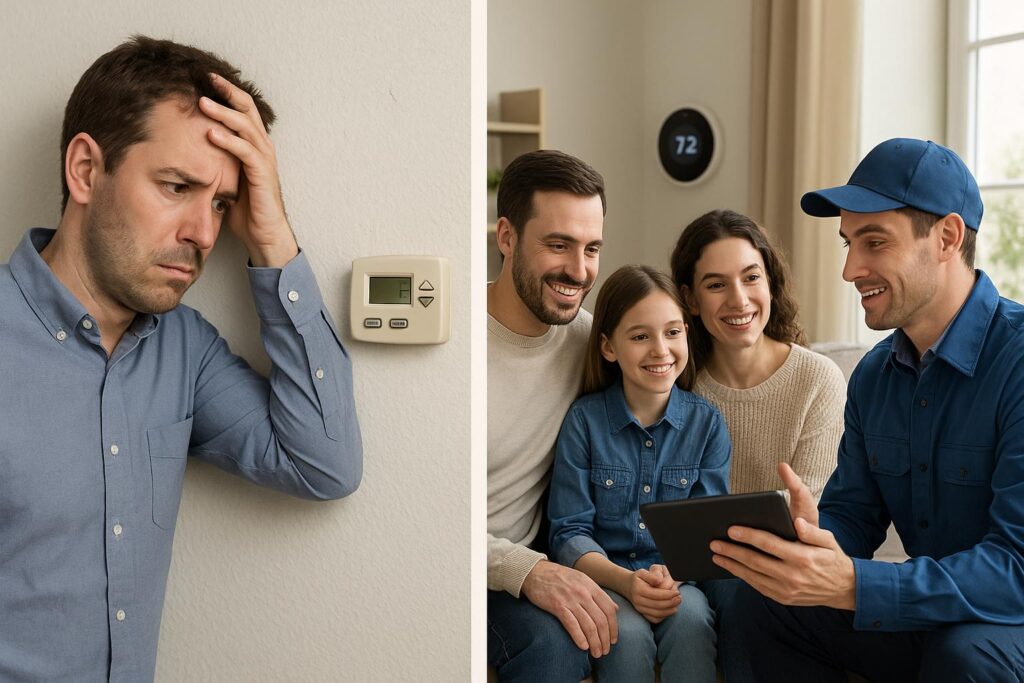
How to Handle HVAC Price Shoppers without Lowering Your Standards
The short answer to handling HVAC price shoppers: Stop defending your price and start explaining your value. Never give a firm quote without a diagnosis. Instead, pivot the conversation from the cost of the repair to the cost of the problem (comfort, safety, energy bills). Use tiered options (Good, Better, Best) to give them control, and leverage financing to make high-value solutions affordable.
Every HVAC contractor knows the dreaded phone call. It starts not with a description of the problem, but with four words: “How much do you charge for…?”
It’s frustrating. You spend years building expertise, investing in training, and stocking quality parts, only to be reduced to a single number over the phone.
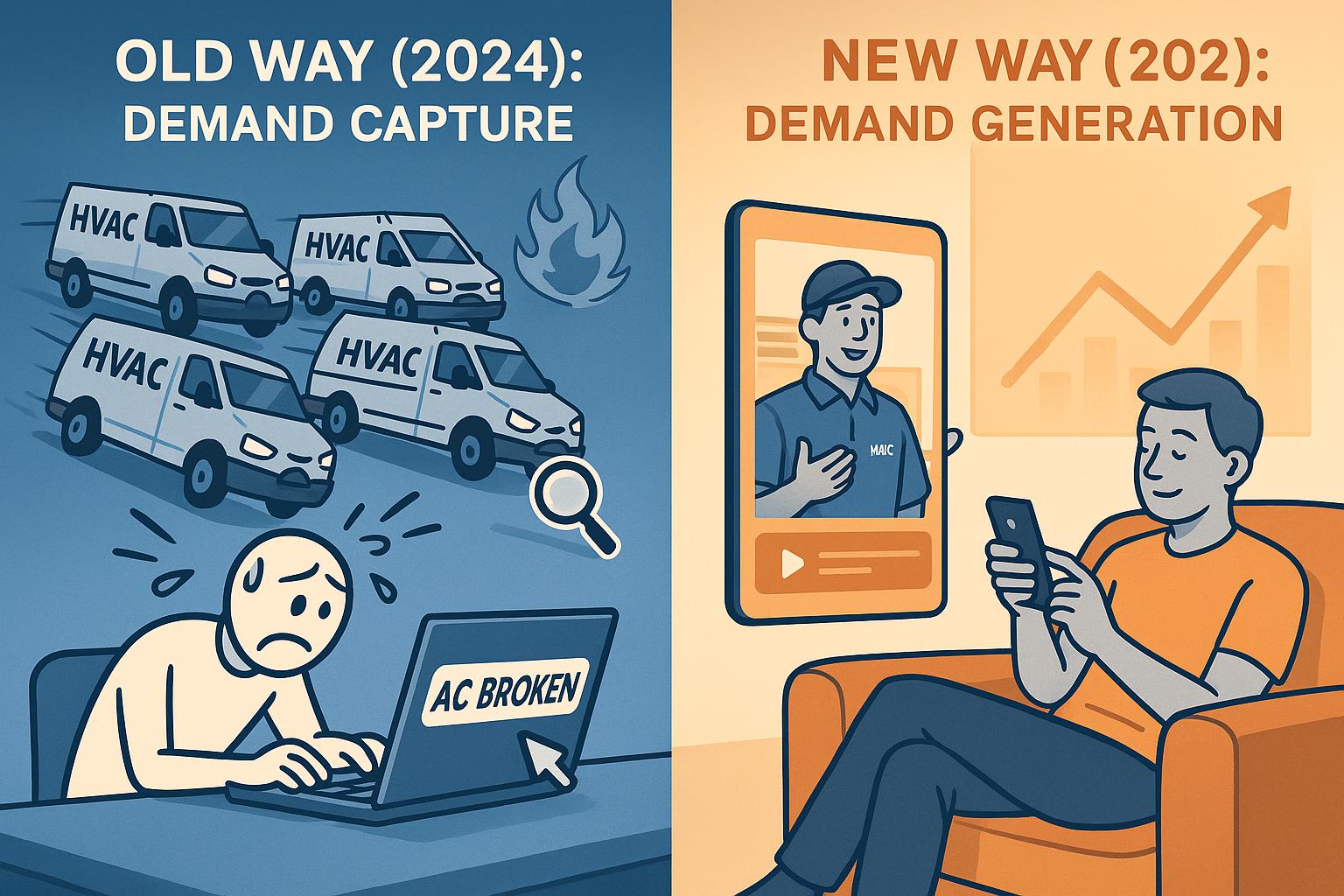
But here is the hard truth: If a customer is only focused on price, it’s usually because they haven’t been given anything else to focus on. This is exactly why online pricing for contractors has become such an effective way to shift the conversation from cost alone to value and expectations before the appointment.
Understanding the "Why" Behind the Price Shop
Before you can handle a price objection, you must understand where it comes from. Very few homeowners are genuinely trying to bankrupt your business.
In the HVAC industry, price shopping is usually driven by fear and ignorance.
The Fear of the Unknown
HVAC systems are “black boxes” to most homeowners. They don’t understand SEER ratings, variable-speed compressors, or load calculations. When people don’t understand what they are buying, the only metric they have to compare is price. They are terrified of being ripped off.
The “Amazon Effect”
Consumers are conditioned by e-commerce to see a price instantly. When an HVAC contractor refuses to give a ballpark price over the phone, it feels secretive and suspicious to the modern consumer. Providing pricing context through pricing transparency helps rebuild trust before a technician ever steps into the home.
The Mindset Shift: Selling Solutions, Not Parts
If you are trying to win a bid based on who has the cheapest condenser, you will lose to the “Chuck in a Truck” operation every time.
You must shift your internal mindset. You are not selling a metal box that blows cold air. You are selling:
- Indoor Air Quality (health for their family).
- Consistent comfort in every room.
- Lower monthly utility bills.
- Long-term reliability and robust warranties.
When you believe in the value of your skilled labor and premium equipment, your confidence shifts the dynamic of the sales conversation.
5 Proven Strategies to Win Over HVAC Price Shoppers
When a customer pushes back on price, do not immediately offer a discount. Instead, use these five strategies to pivot back to value.
1. Validate, Don’t Defend
When a customer says, “Wow, that’s expensive,” your instinct is to defend your pricing. Don’t. It creates an adversarial relationship.
Instead, validate their concern.
- “I understand completely. Replacing a full system is a significant investment for any household.”
By agreeing that it’s a lot of money, you move to the same side of the table as them. You are no longer an opponent; you are an advisor helping them manage a large purchase.
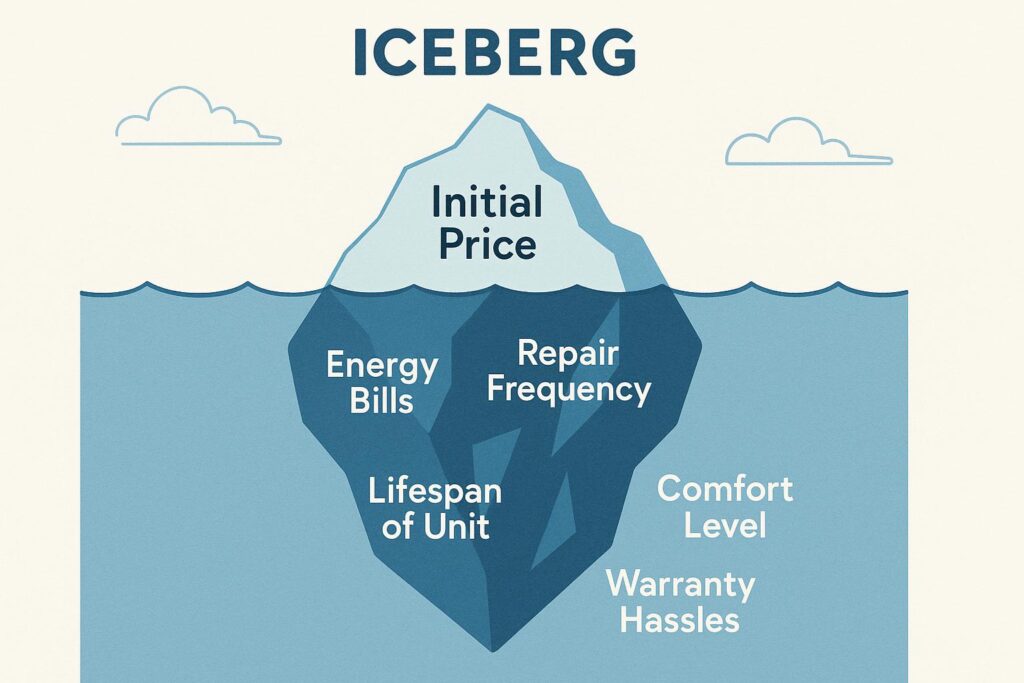
2. Pivot to Long-Term Cost of Ownership
A cheap install is expensive in the long run. Shift the timeline.
If they are horrified by a $12,000 quote for a high-efficiency system, break it down based on the system’s 15-year lifespan and expected energy savings. Show them that the “cheaper” $8,000 option will actually cost them $5,000 more over the next decade in electricity bills and repairs.
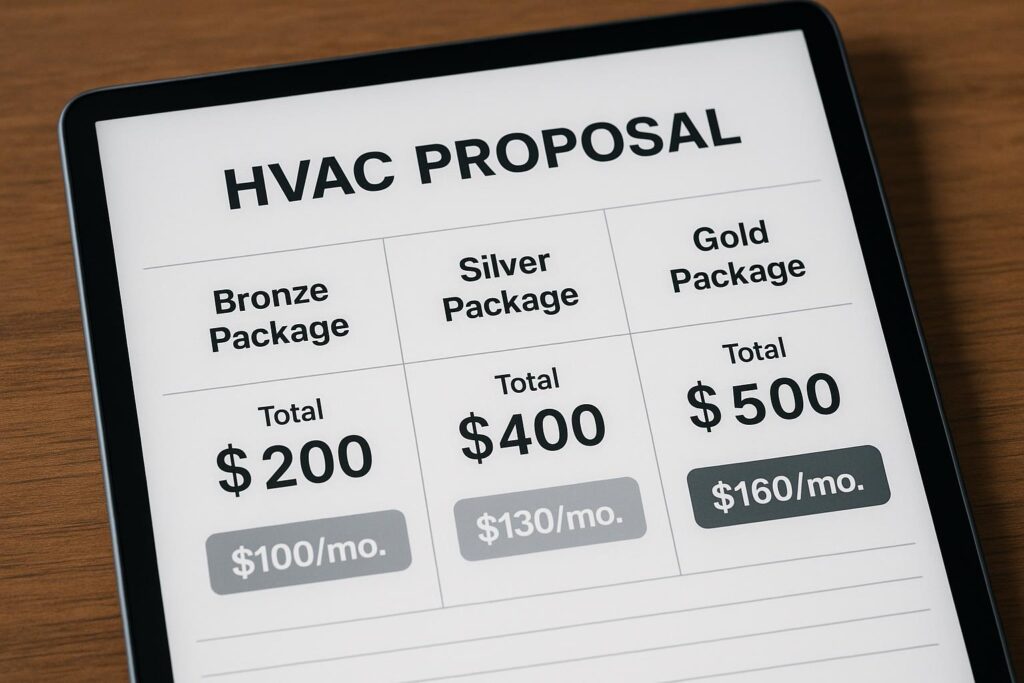
3. Use “Good, Better, Best” Menu Pricing
Never present just one option. If you present one price ($10,000), their only choice is “Yes” or “No.”
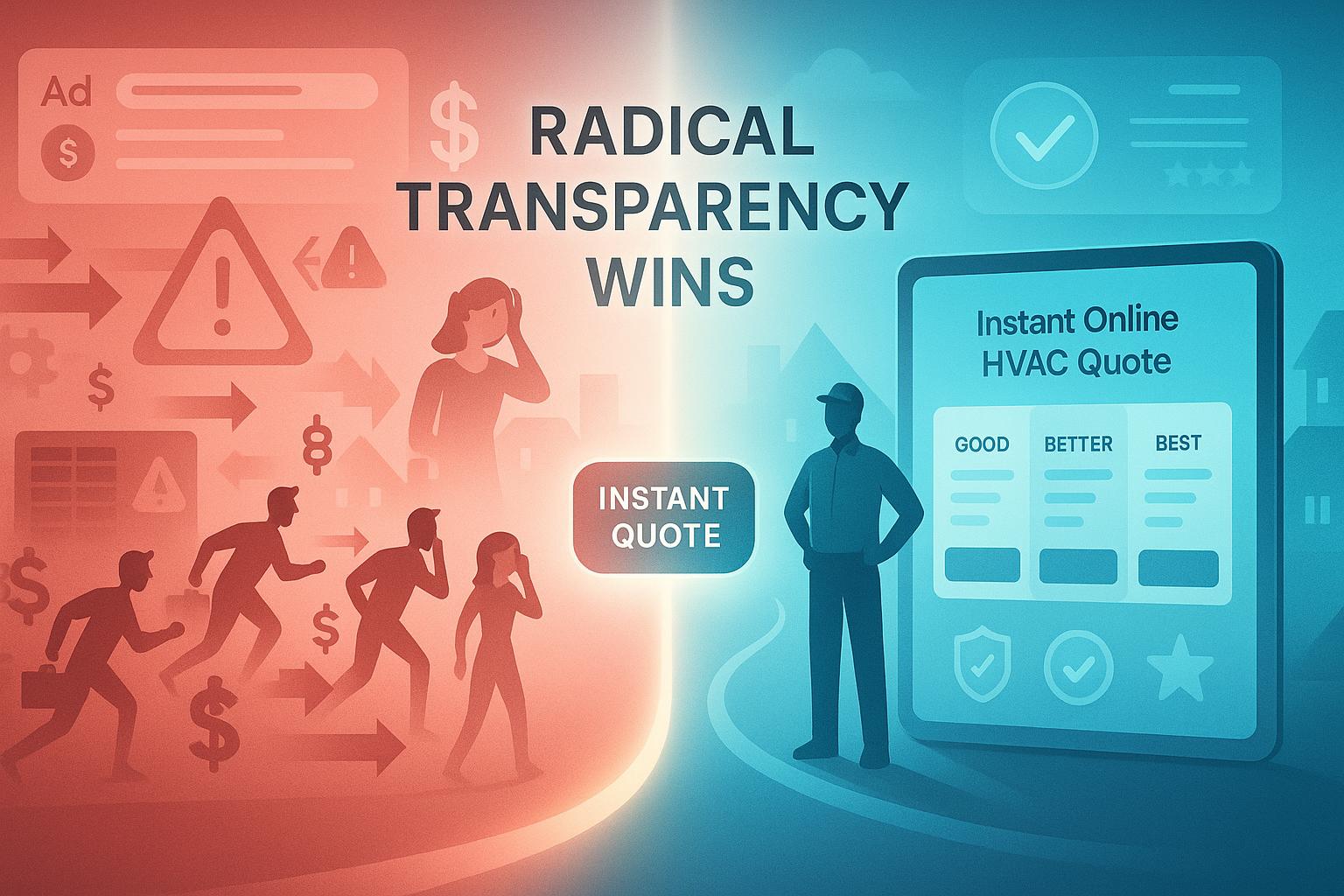
If you present three options, their choice becomes “Which one?”
- Good: Solves the immediate problem. Basic efficiency. Standard warranty.
- Better: Improves comfort, better humidity control, higher efficiency.
- Best: Top-tier inverter technology, supreme quietness, maximum energy savings, best warranty.
This puts the homeowner back in control. Interestingly, most people do not want to be “cheap,” so they will avoid the bottom option and self-select the middle tier—increasing your average ticket size without you having to “sell” hard.
4. Lead with Financing
Often, “That’s too expensive” actually means “I don’t have $10,000 in my checking account right now.”
Make financing a primary part of your presentation. Don’t sell a $12,000 system; sell comfort for $175 a month. By breaking a massive capital expense into a manageable monthly utility cost, the price objection often evaporates.
5. Embrace Price Transparency Online
This is counterintuitive, but hiding your prices creates more aggressive price shoppers.
If a customer has to call you just to get a basic idea of what a tune-up costs, they are already annoyed before you pick up the phone. By the time they reach you, their only goal is to extract a number.
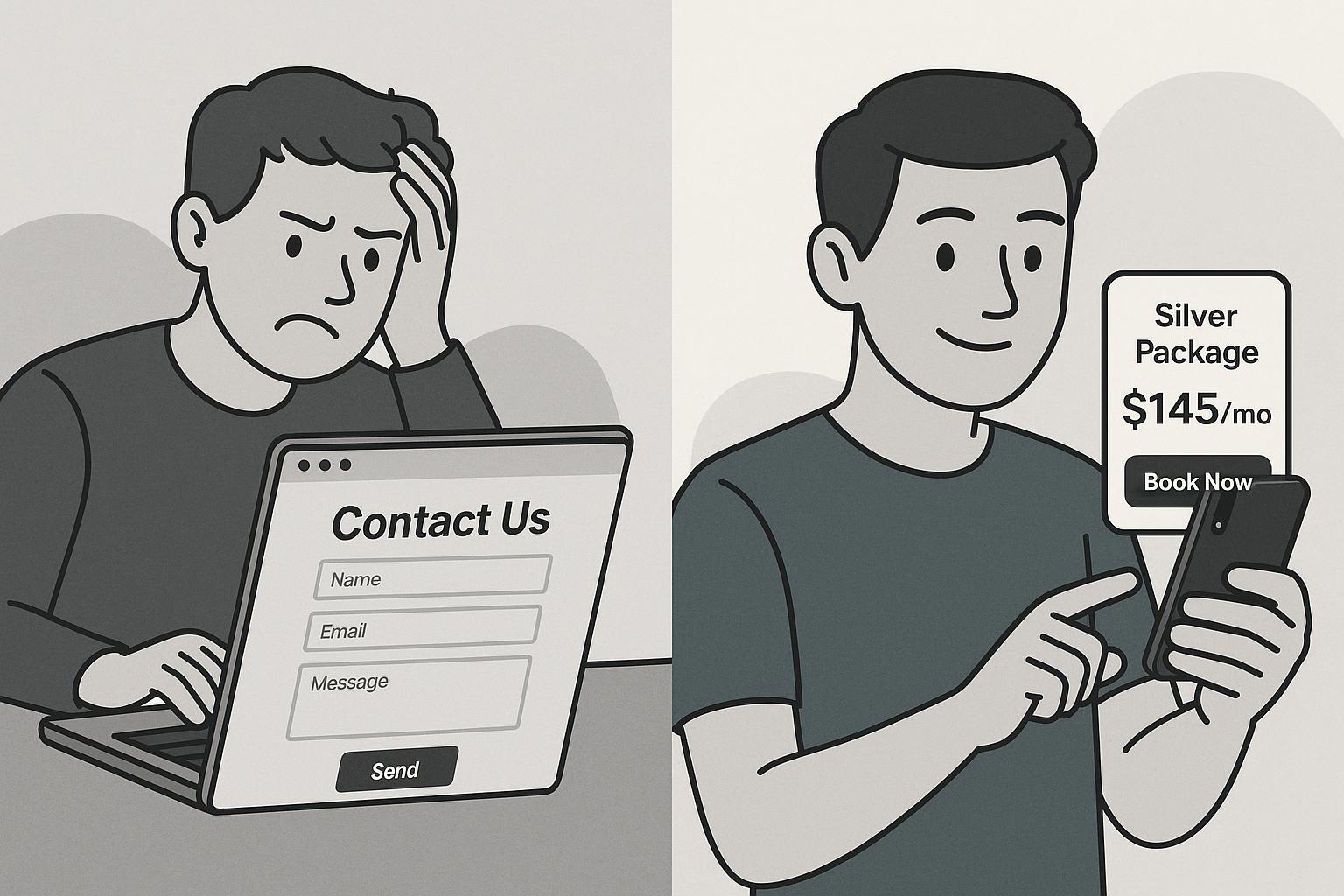
By providing pricing ranges or flat-rate service fees on your website, you establish trust before the first interaction. This is the core principle behind online pricing systems, which are designed to align expectations instead of forcing defensive sales conversations.
When to Walk Away: Recognizing the “Bad Lead”
You cannot win every bid, and you shouldn’t try.
If you have validated their concerns, presented the long-term value, offered tiered options, and provided financing, and they are still hammering you to match a competitor’s unsustainable price—walk away.
A customer who buys solely on price will be the most demanding, the least loyal, and the first to leave you a bad review when their cheap equipment inevitably has issues. Let your competitors have the headache of low-margin clients.
FAQs on Handling HVAC Price Objections
What do I say when a customer says “I can get it cheaper somewhere else”?
Answer: Acknowledge it without getting defensive. Say something like: “I’m sure you can. There are always cheaper options in this industry. But we don’t compete to be the cheapest; we compete to be the most reliable. When we quote a price, it includes [mention guarantees, certified techs, quality parts] so you don’t have to worry about this again for years.”
Should I give HVAC Repair price estimates over the phone?
Answer: Generally, no. You cannot accurately diagnose an HVAC issue without seeing it. Giving a low price over the phone sets you up for failure when you arrive and find a bigger problem. Instead, quote your flat-rate diagnostic fee and explain that this fee ensures an expert technician will identify the exact issue so you don’t pay for guesses.
How do I sell high-efficiency HVAC equipment when the price is higher?
Answer: Stop focusing on the equipment price and focus on the monthly ROI (Return on Investment). Use an energy savings calculator to show the homeowner that the higher monthly financing payment is usually offset by the lower monthly utility bill, essentially making the upgrade “free” over time.